

Filling Technology for Liquids
For the chemical, food, paint & coatings, and other industries
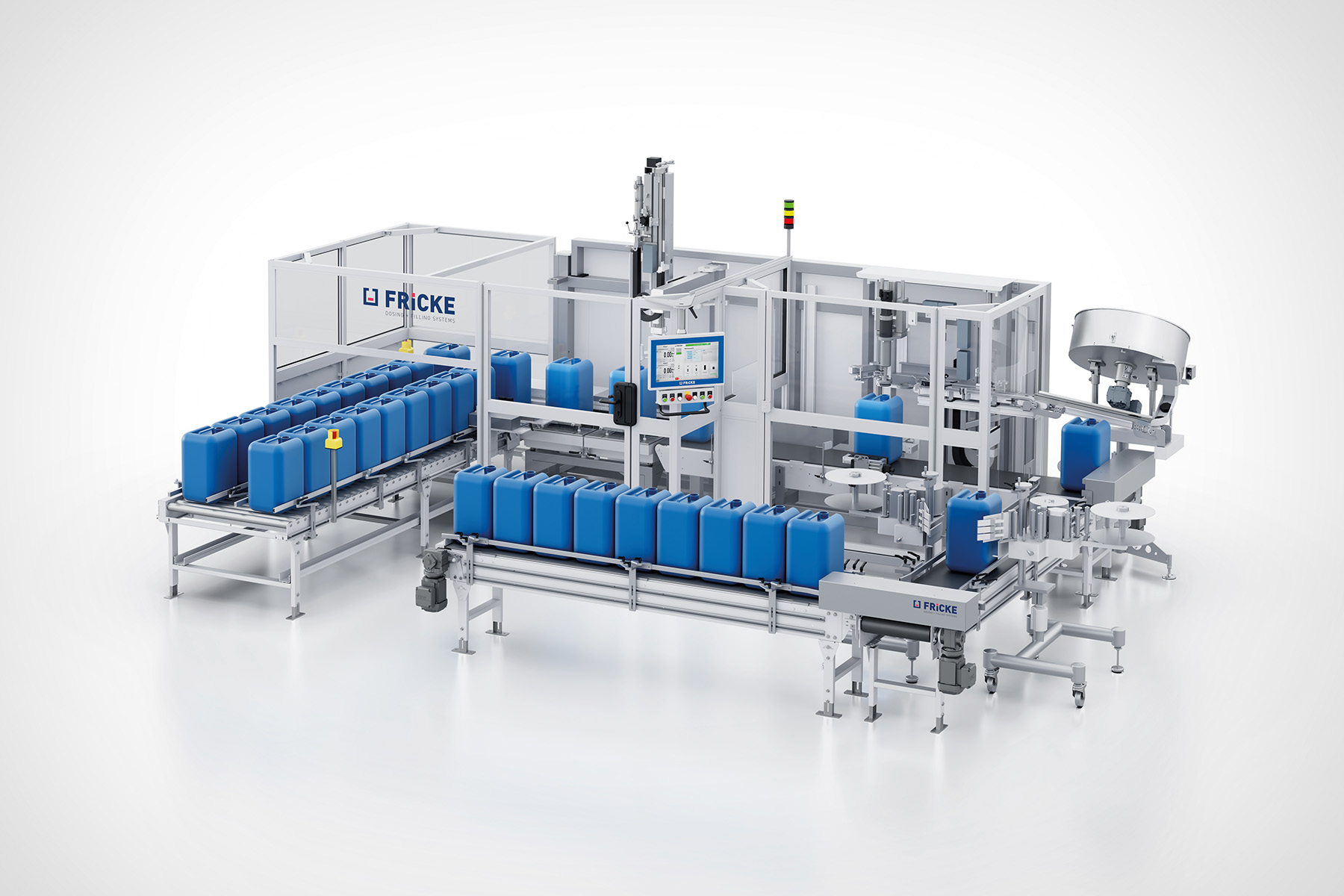
FRICKE develops modular filling systems for reliable, precise, and safe filling processes from low-viscosity liquids to pasty products. As a manufacturer of filling systems in mechanical engineering, we design and build solutions ranging from semi-automatic filling systems to fully automated filling systems, tailored to the product, fill weight, and container types such as pails, canisters, drums, or IBCs. Optionally, we supply filling systems with explosion protection in acc. with ATEX Directive 2014/34/EU Zone 1 on request.
Looking for the right filling system for your application? Our experts will be happy to advise you.
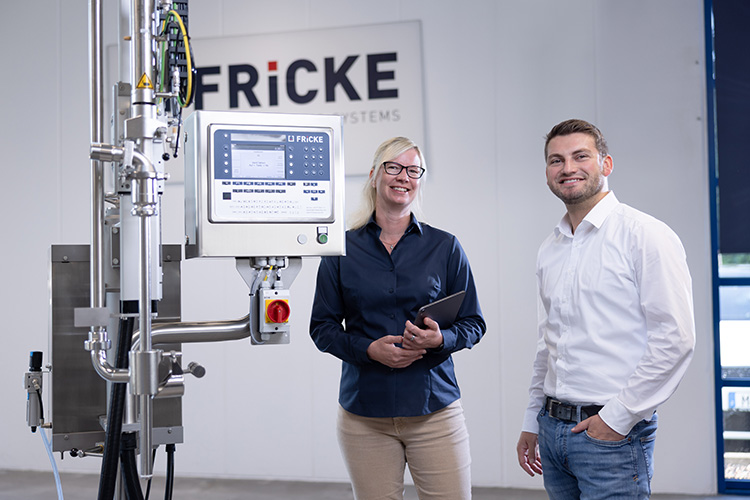
Your benefits
Modular filling technology for fast changeovers, precise filling, and safe processes – optionally ATEX / explosion-proof.
- Fast: Easy operation and quick product and container changeovers - ideal for changing filling media and flexible production workflows.
- Precise: Calibratable filling processes using weighing technology to prevent overfilling and underfilling.
- Safe: Easy-to-clean filling valves and robust design of the filling systems, also available with explosion protection in acc. with ATEX Directive 2014/34/EU on request.
Filling Systems & Valves
Discover our filling systems and valves at a glance – organized by automation level, container type, and filling method.
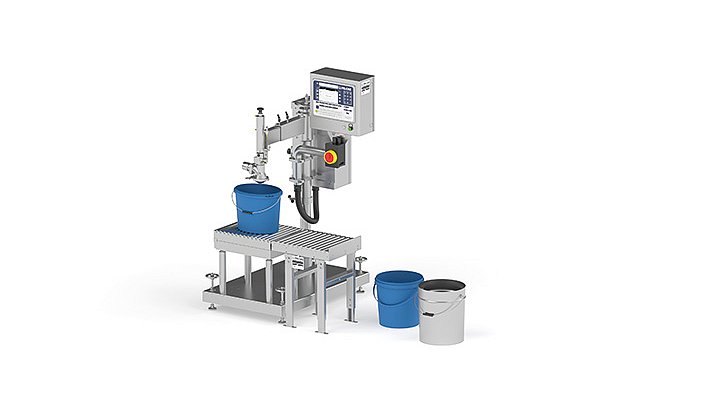
Semi-automatic filling system
EFS 11
- cans, buckets, drums
- paints, coatings, dispersions, adhesives, bitumen
- above-level filling
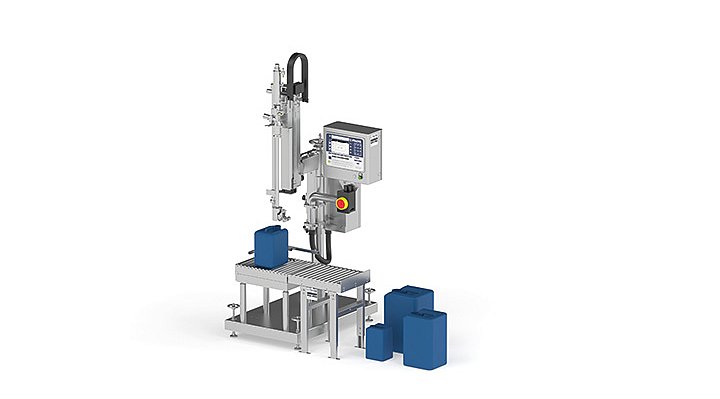
Semi-automatic filling system
EFS 21
- cans, buckets, canisters, drums
- cleaning agents and solvents, chemical liquids, mineral oils, glazes
- below-level filling
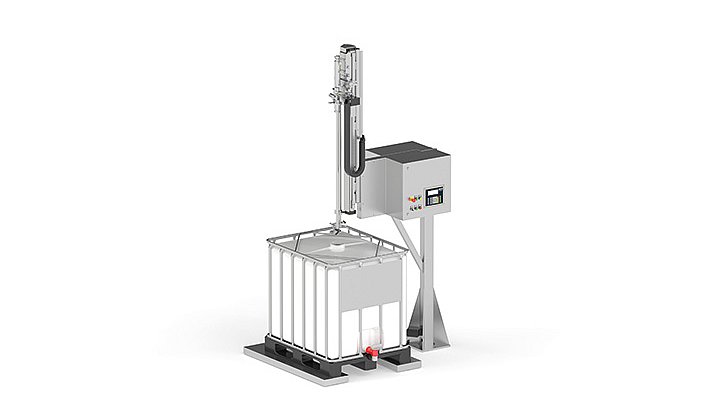
Semi-automatic filling system
EFS 24
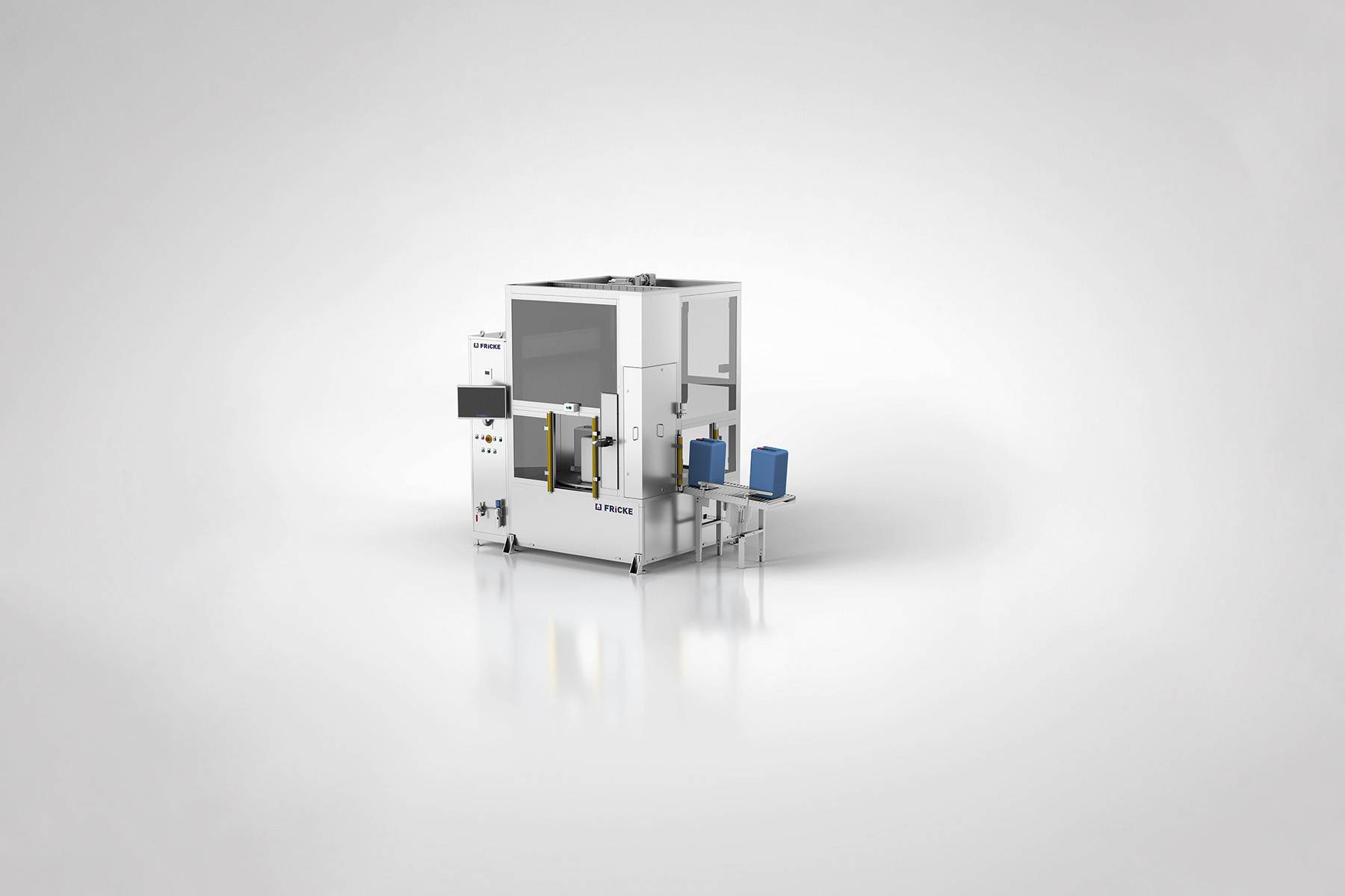
- IBCs directly on the palett
- cleaning agents and solvents, chemical liquids, mineral oils, glazes
- below-level filling
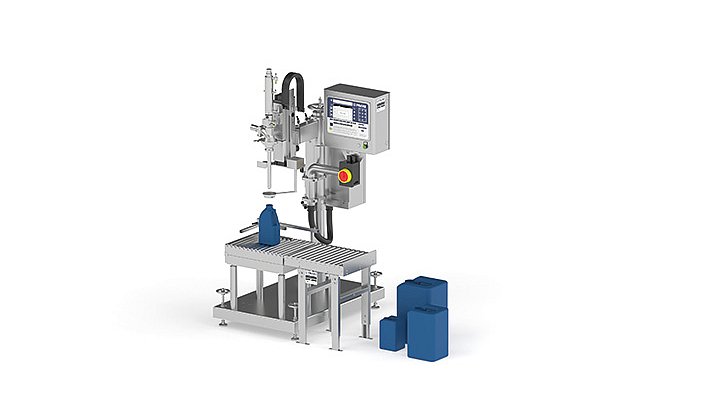
Semi-automatic filling system
EFS 31
- canisters, drums
- chemical liquids, oils
- below-bunghole filling
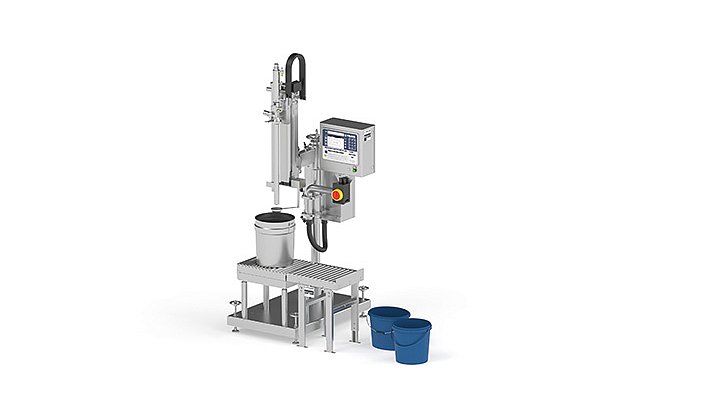
Semi-automatic filling system
EFS 41
- cans, buckets, drums
- paints, coatings, dispersions, adhesives, bitumen
- moving above-level filling
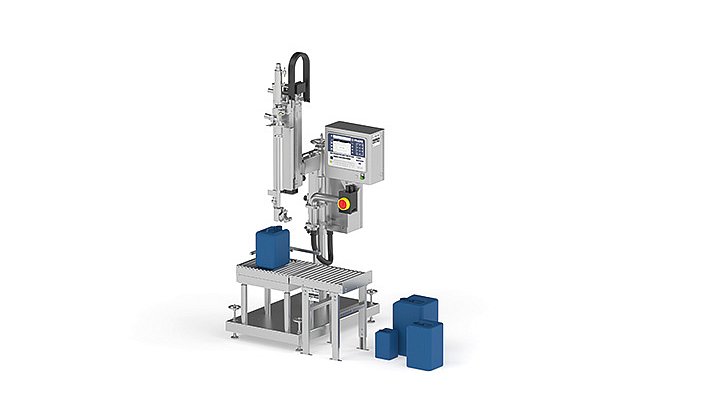
Semi-automatic filling system
EFS 51
- cans, buckets, canisters, drums
- paints, coatings, dispersions, adhesives, bitumen, cleaning agents and solvents, chemical liquids, mineral oils, glazes
- above-/ below-level filling
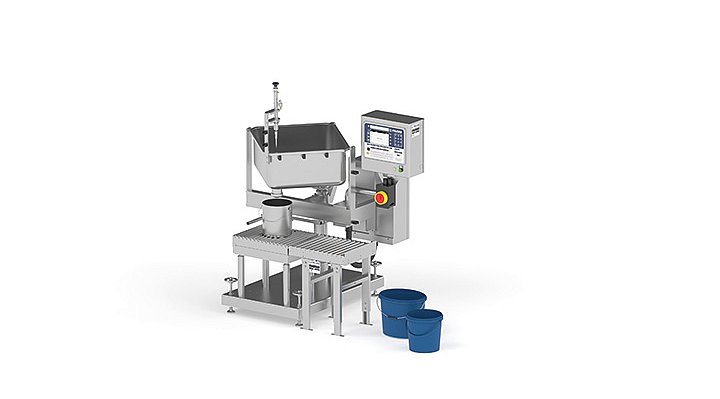
Semi-automatic filling system
EFS 61
- cans, buckets, drums
- paints, coatings, dispersions, adhesives, bitumen
- above-level filling
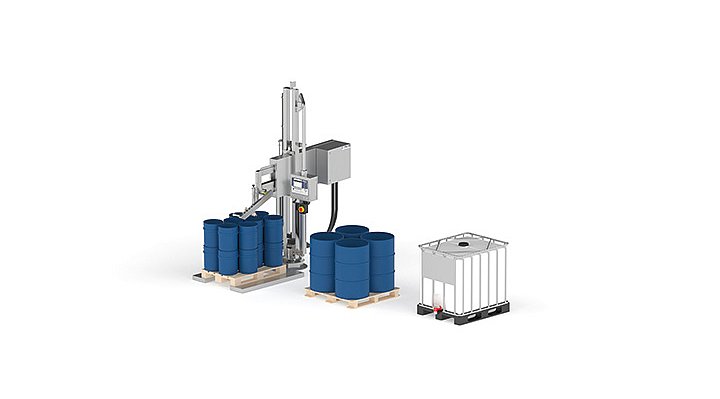
Semi-automatic filling system
FFS 11
- cans, buckets, IBCs directly on the pallet
- paints, coatings, dispersions, adhesives, bitumen
- above-level filling
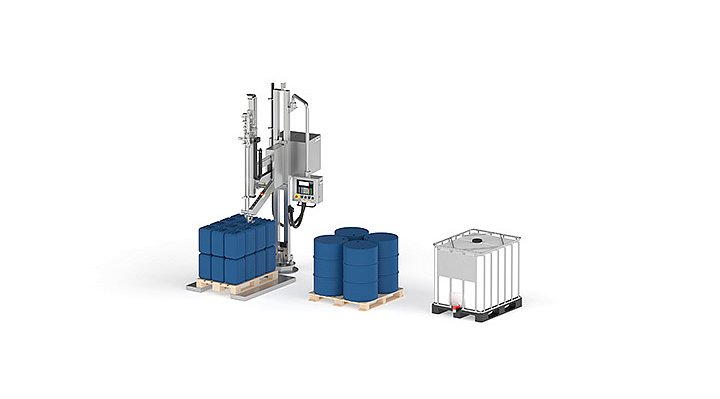
Semi-automatic filling system
FFS 21
- canisters, drums, and IBCs directly on the pallet
- cleaning agents and solvents, chemical liquids, mineral oils, glazes
- below-level filling
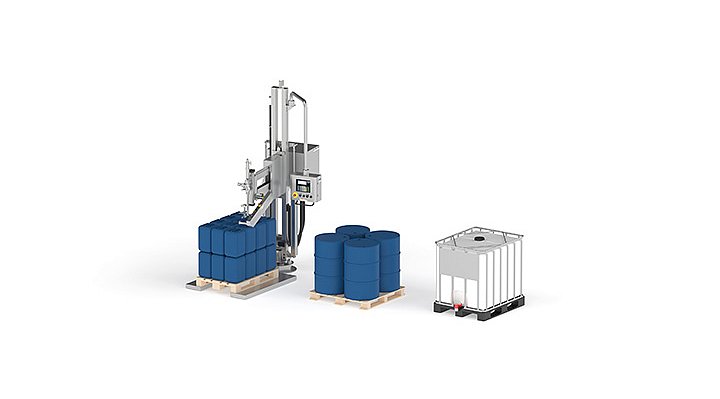
Semi-automatic filling system
FFS 31
- canisters, drums, IBCs directly on the pallet
- flavors, dispersions, oils
- below-bunghole filling
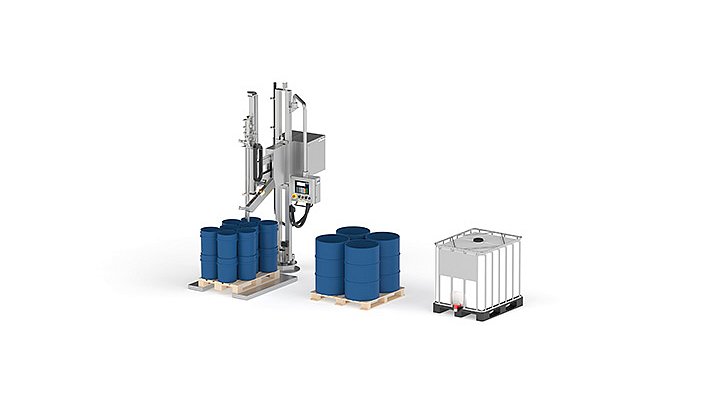
Semi-automatic filling system
FFS 41
- buckets, hobbocks, drums, IBCs directly on the pallet
- paints, coatings, dispersions, adhesives, bitumen
- moving above-level filling
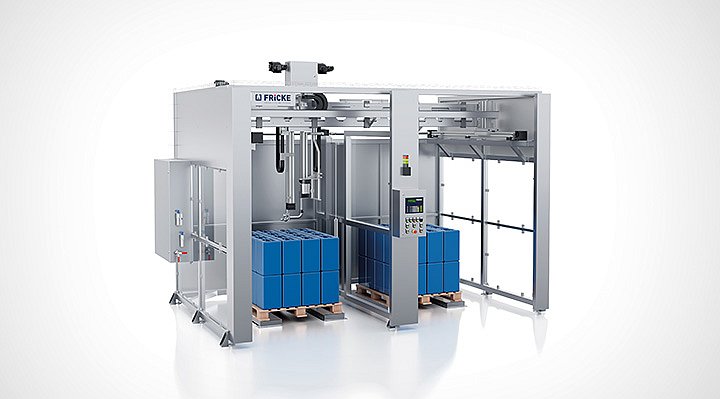
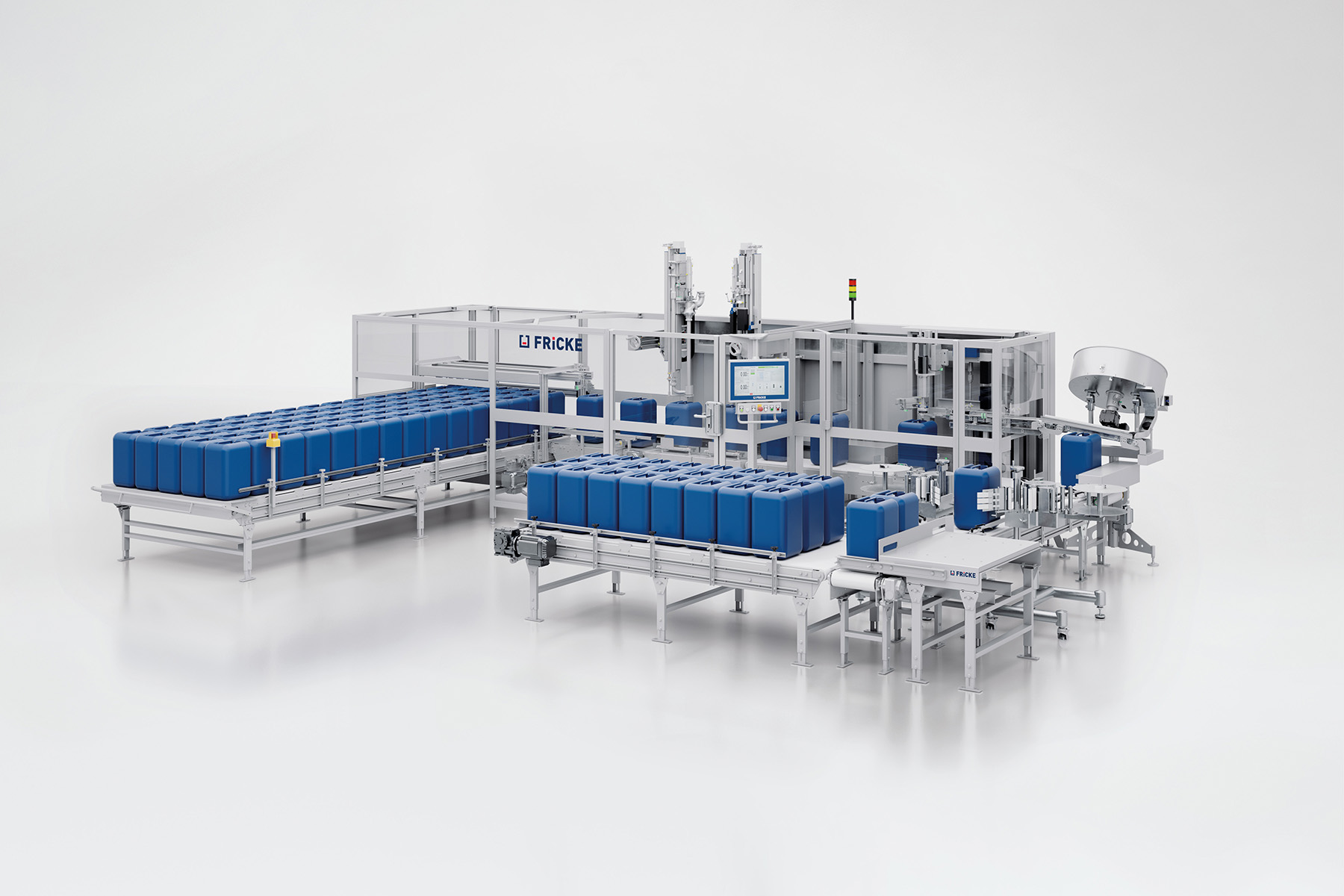
Automatic filling system
AFS 20
- canisters, drums, IBCs directly on the pallet
- cleaning agents and solvents, chemical liquids, mineral oils, glazes
- below-level filling
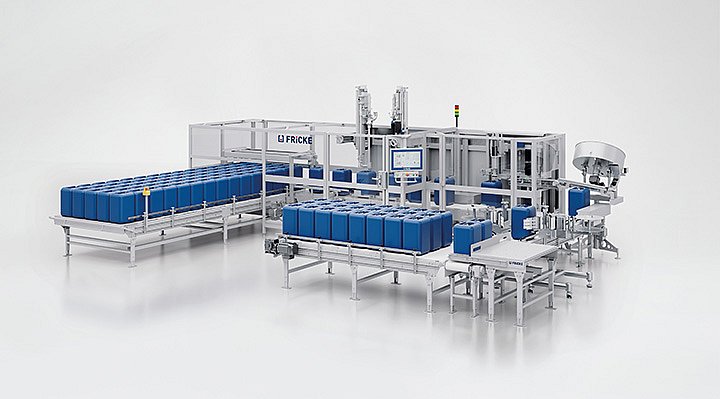
Automatic filling system
AFS 22
- canisters
- cleaning agents and solvents, chemical liquids, mineral oils, glazes
- below-level filling
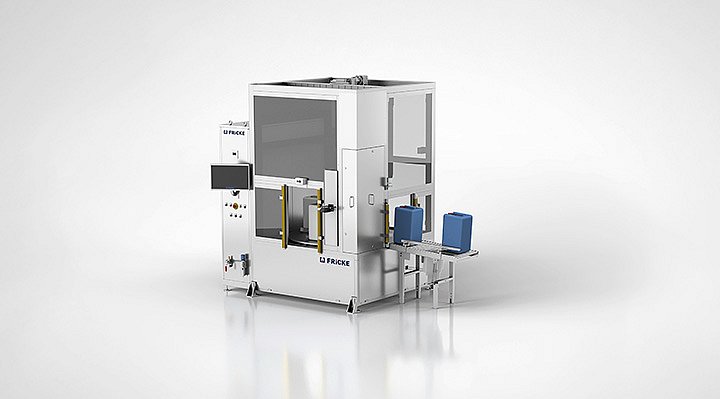
Automatic filling system
AFS 25
- canisters
- cleaning agents and solvents, chemical liquids, mineral oils, glazes
- below-level filling
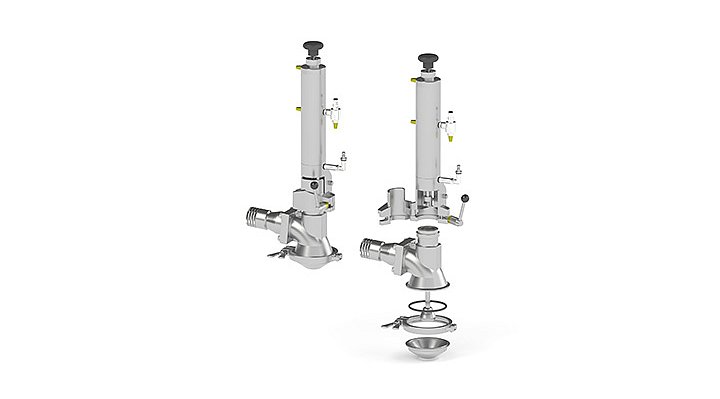
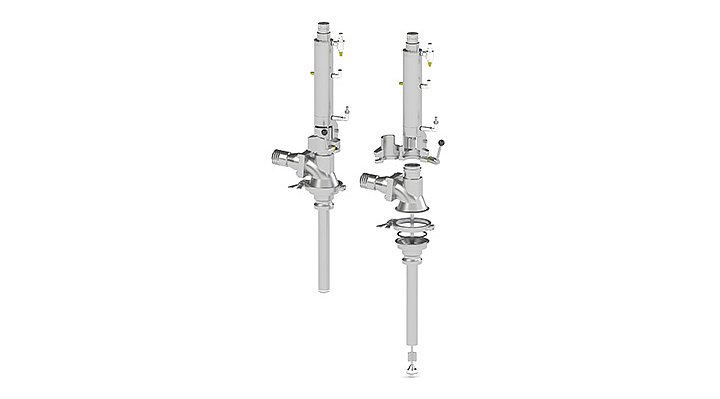
Filling valve
FVS 10 / FVS 11
- all types of open containers
- paints, coatings, dispersions, adhesives, bitumen, and other non-foaming liquids
- above-level filling
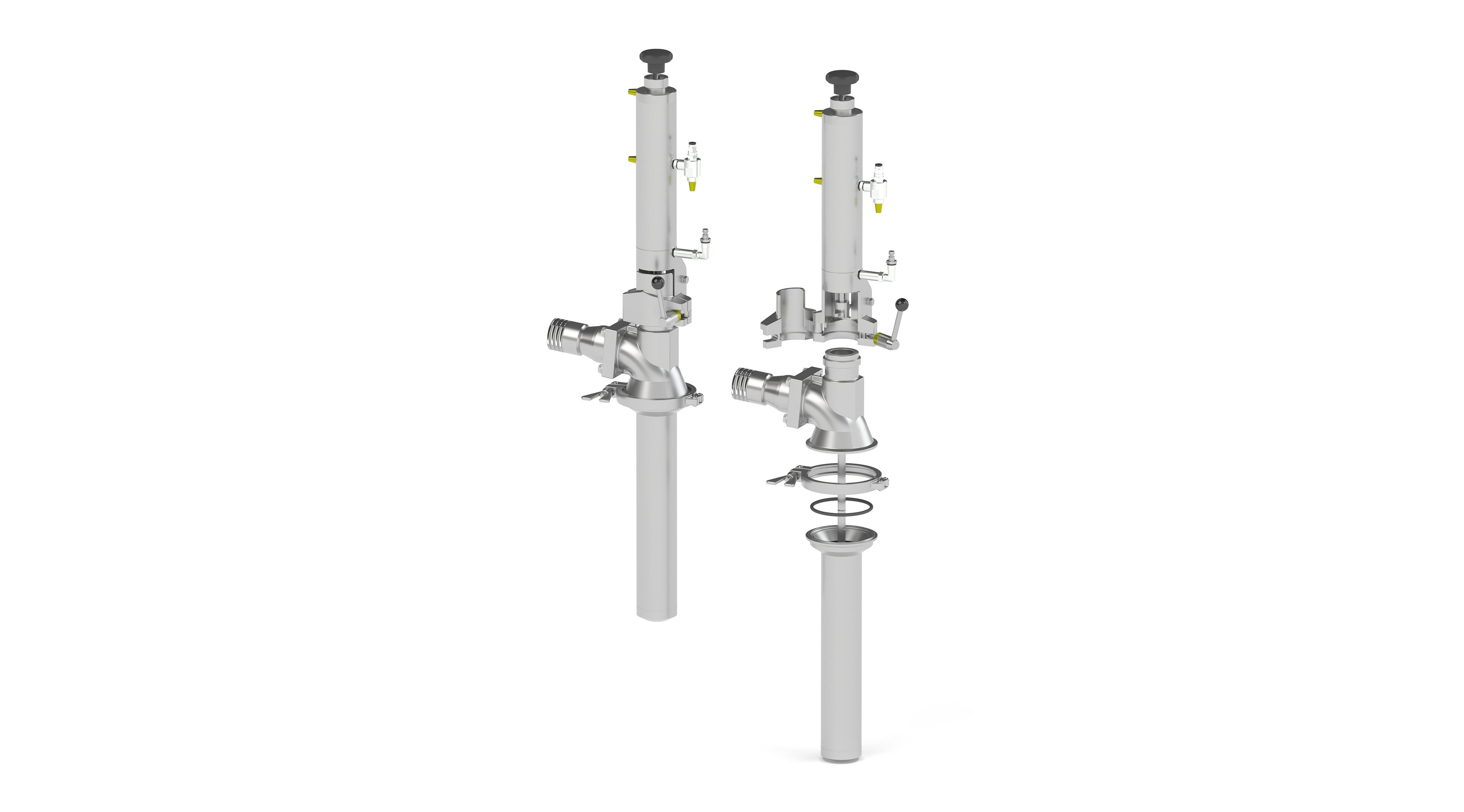
Filling valve
FVS 20 / FVS 21
- all types of containers
- cleaning agents and solvents, chemical liquids, mineral oils, glazes, and other foaming, outgassing, or explosive media
- below-level filling
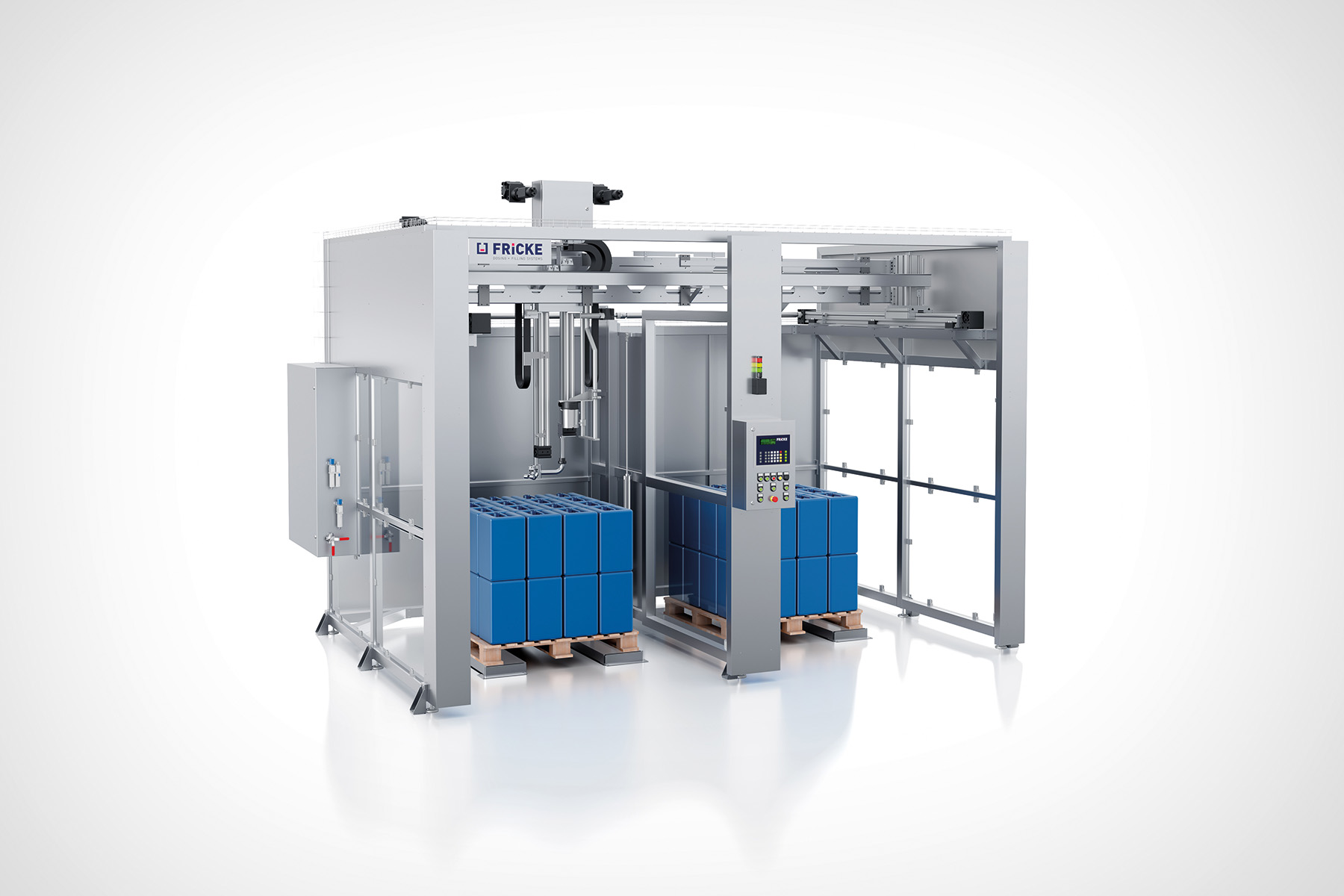
Filling valve
FVS 41
- Buckets, hobbocks, drums, IBCs
- colors, coatings, dispersions, adhesives, bitumen, and other viscous to pasty, non-foaming liquids
- moving above-level filling
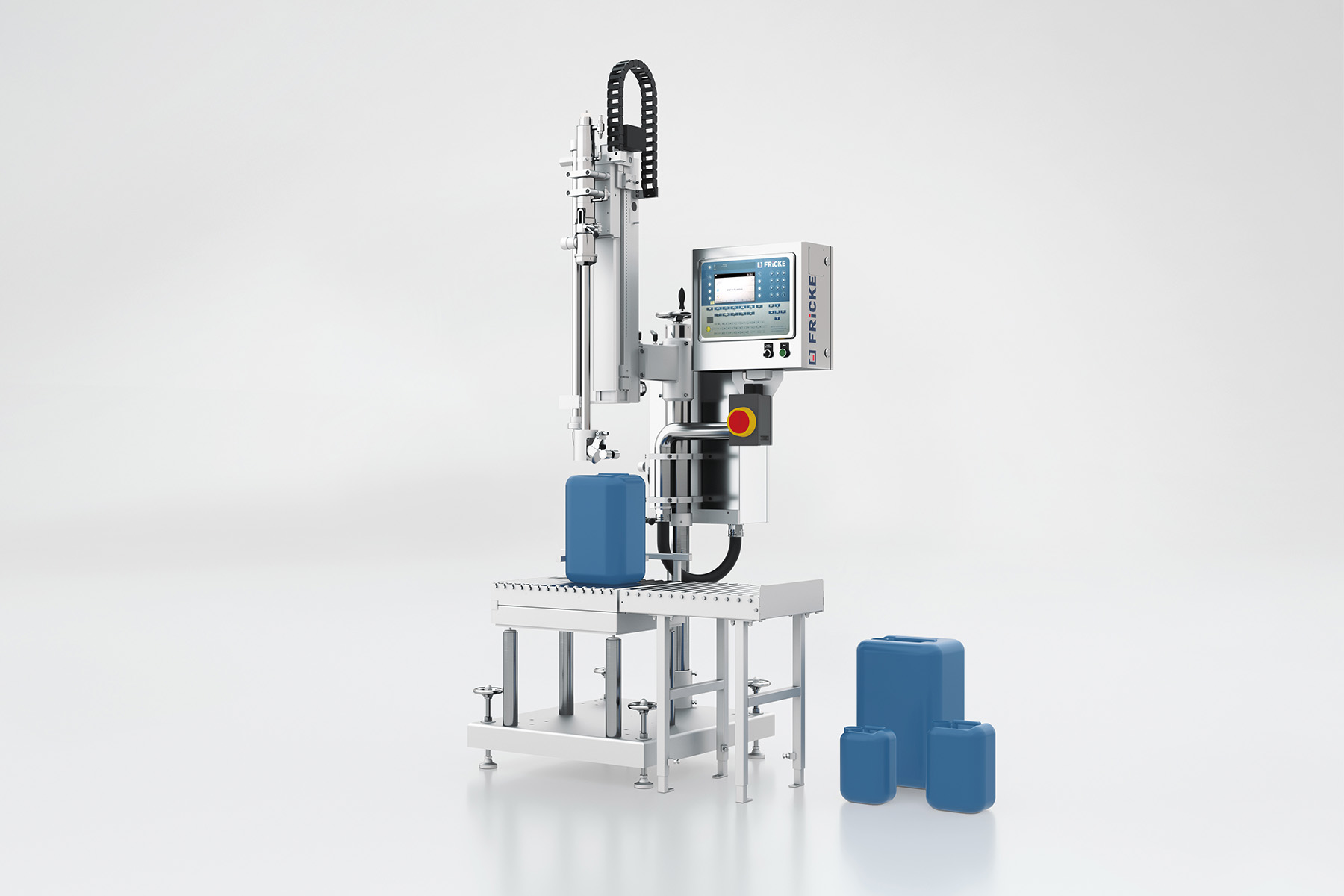
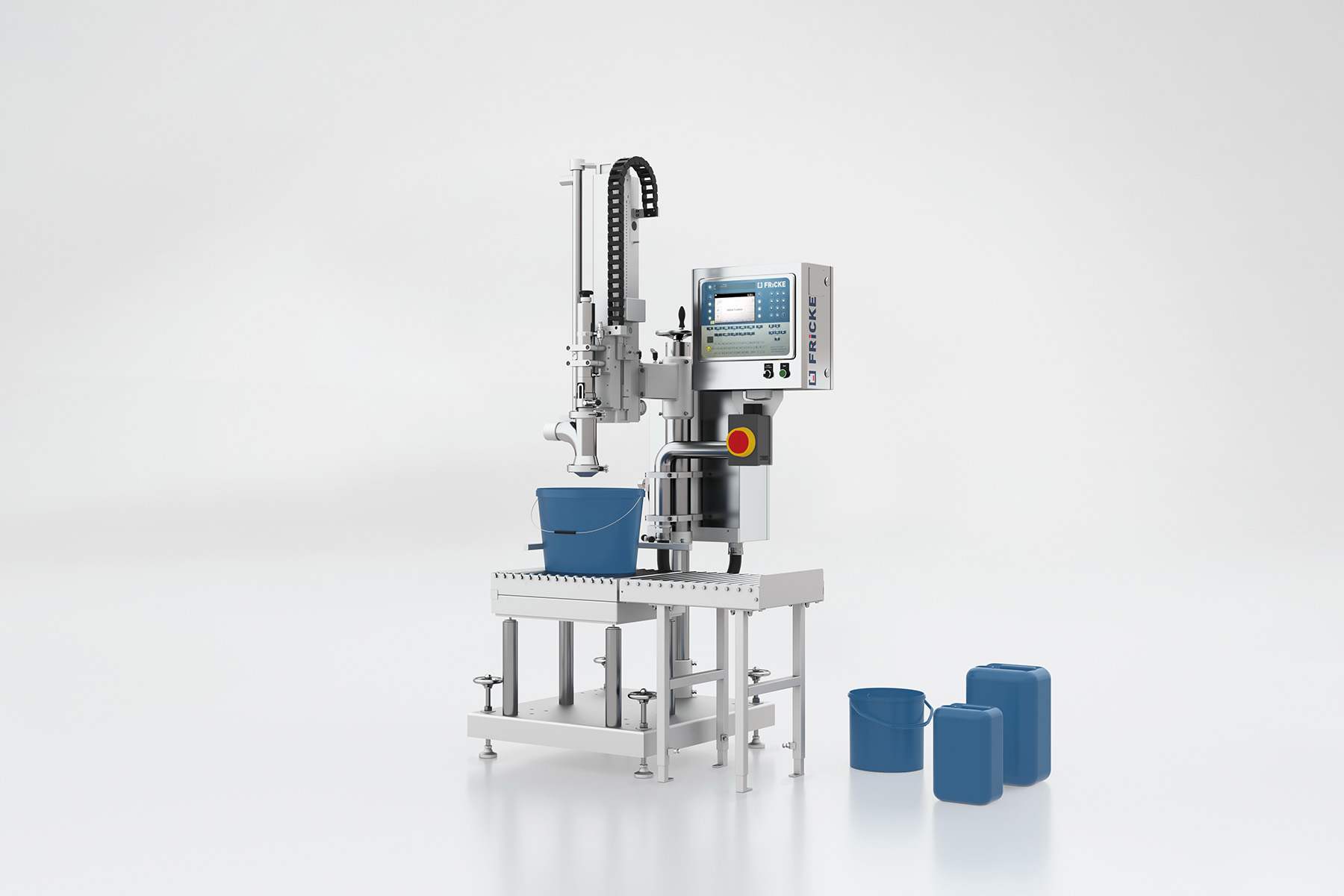
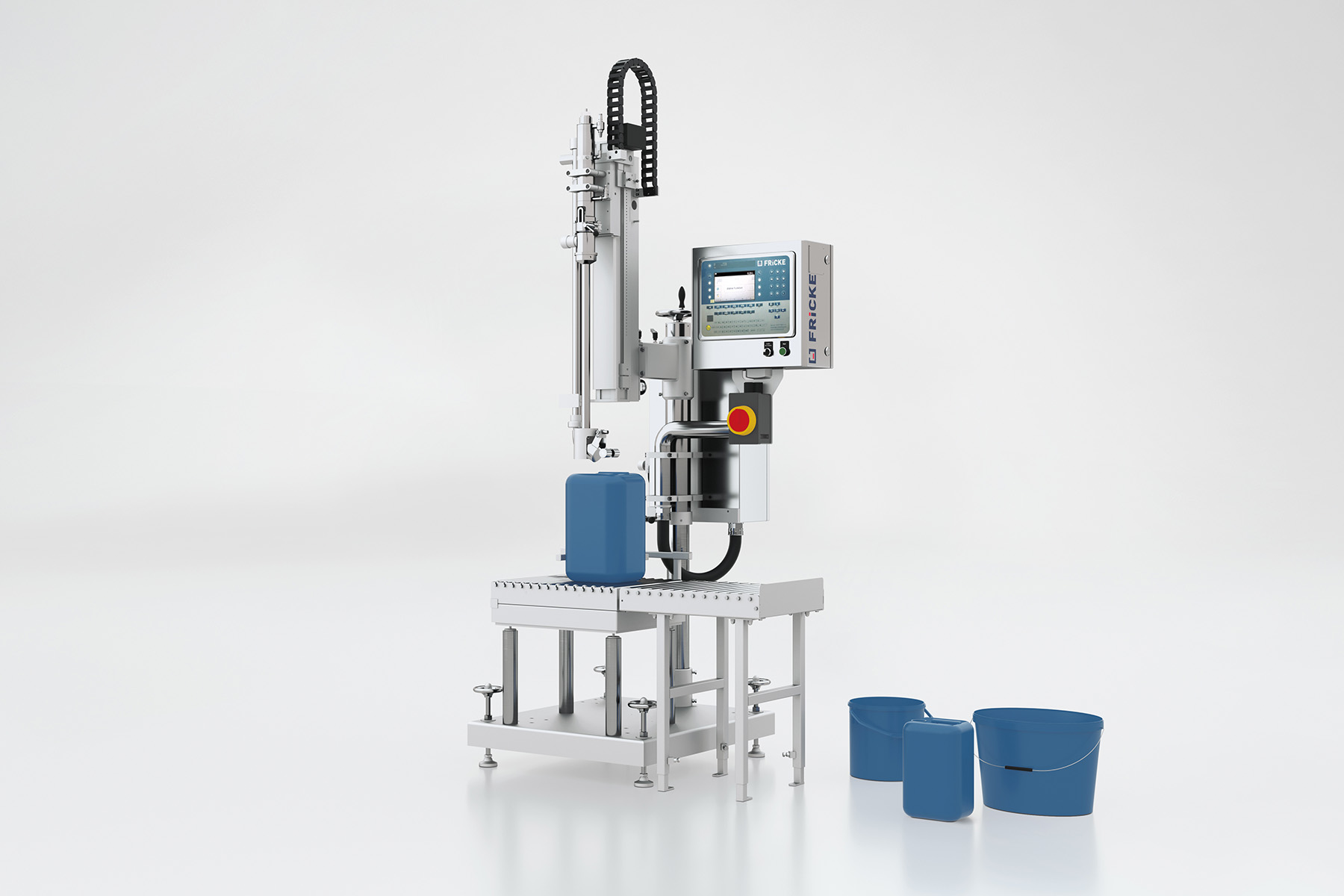
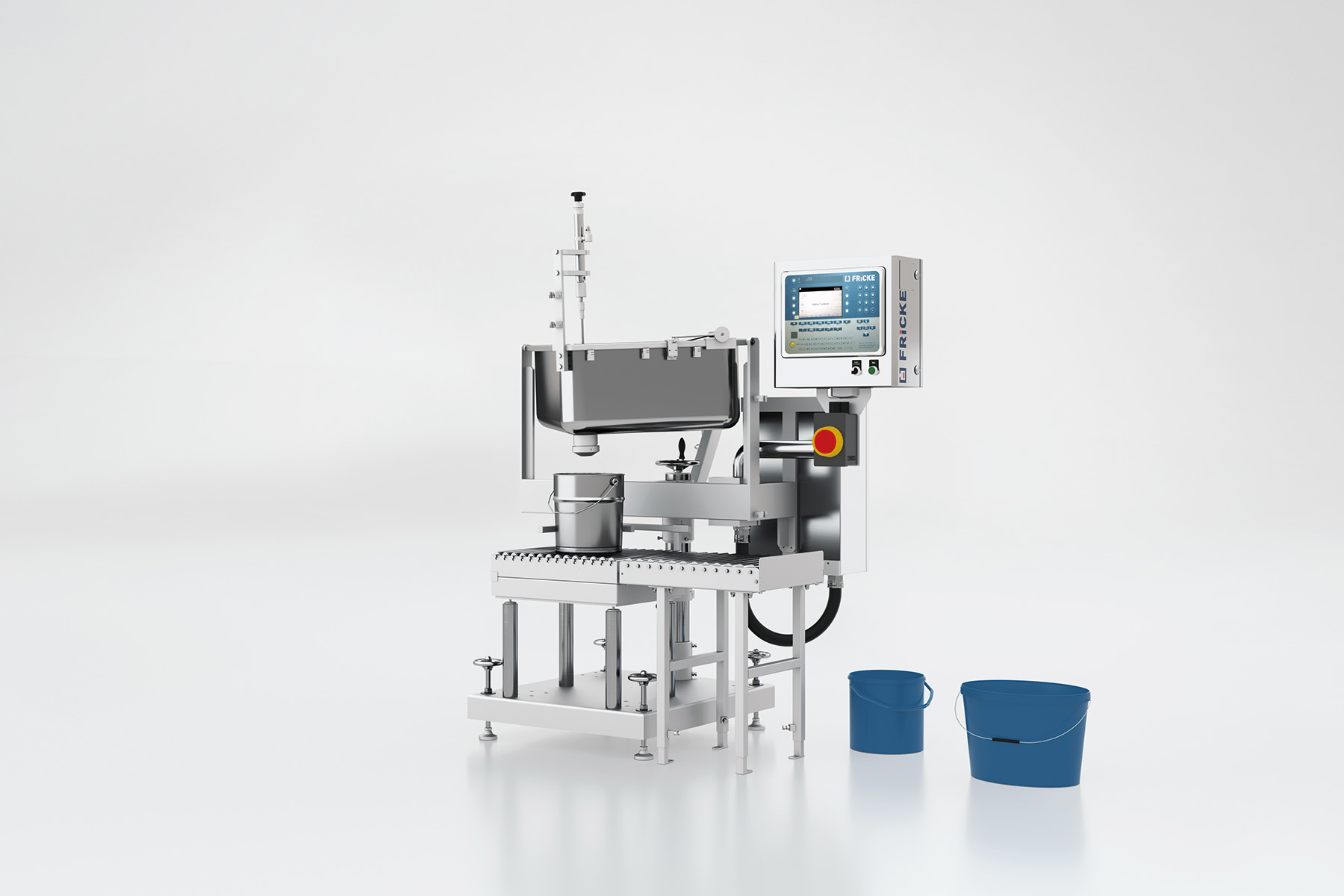
Filling Technology
Above-level, below-level, below-bunghole or multi-filling – adapted to the product, container type, and process requirements.
Depending on the medium and container type, we select the most suitable filling method. This ensures precise, safe, and efficient filling processes from open containers to bung-hole containers.


Safe filling of containers
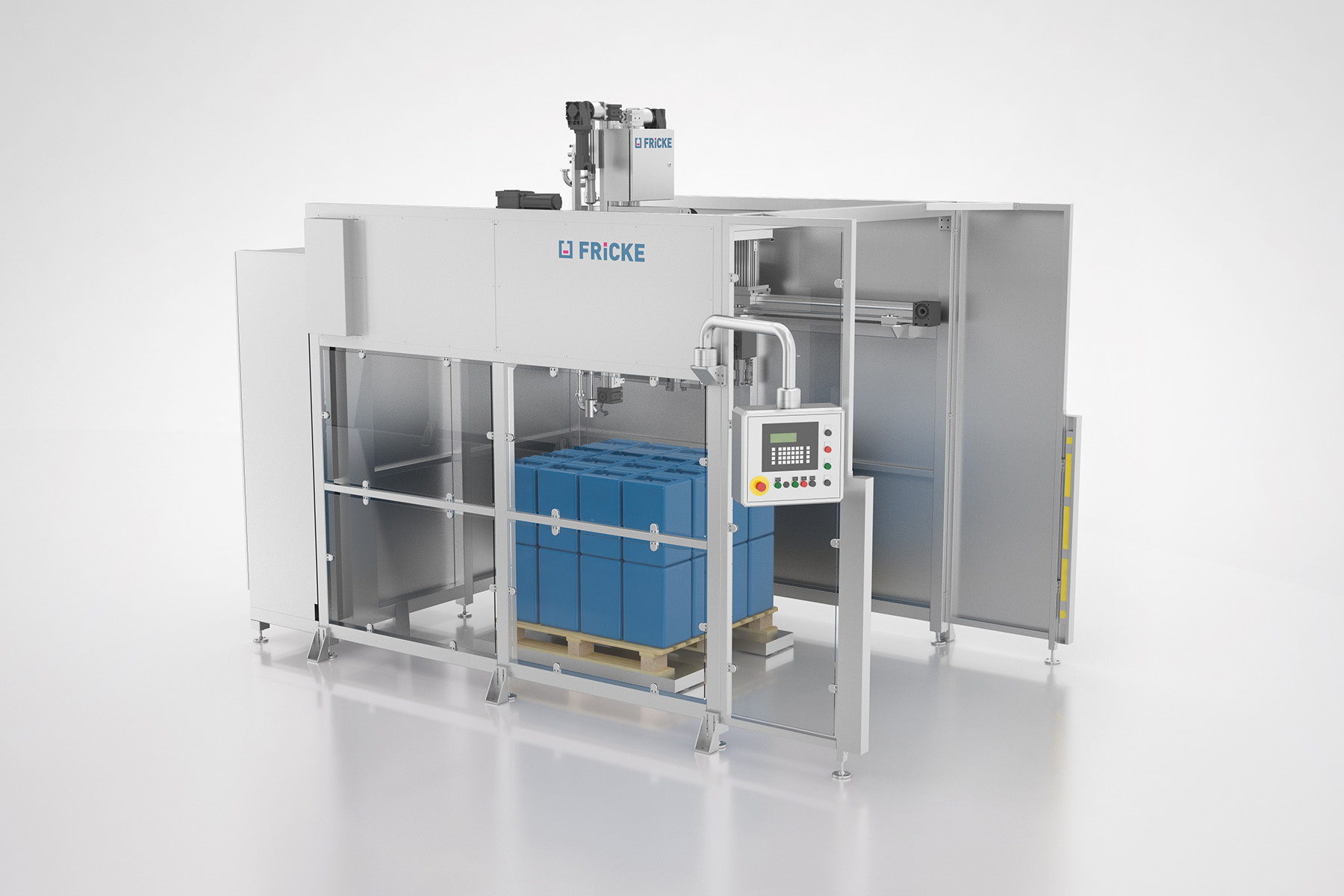
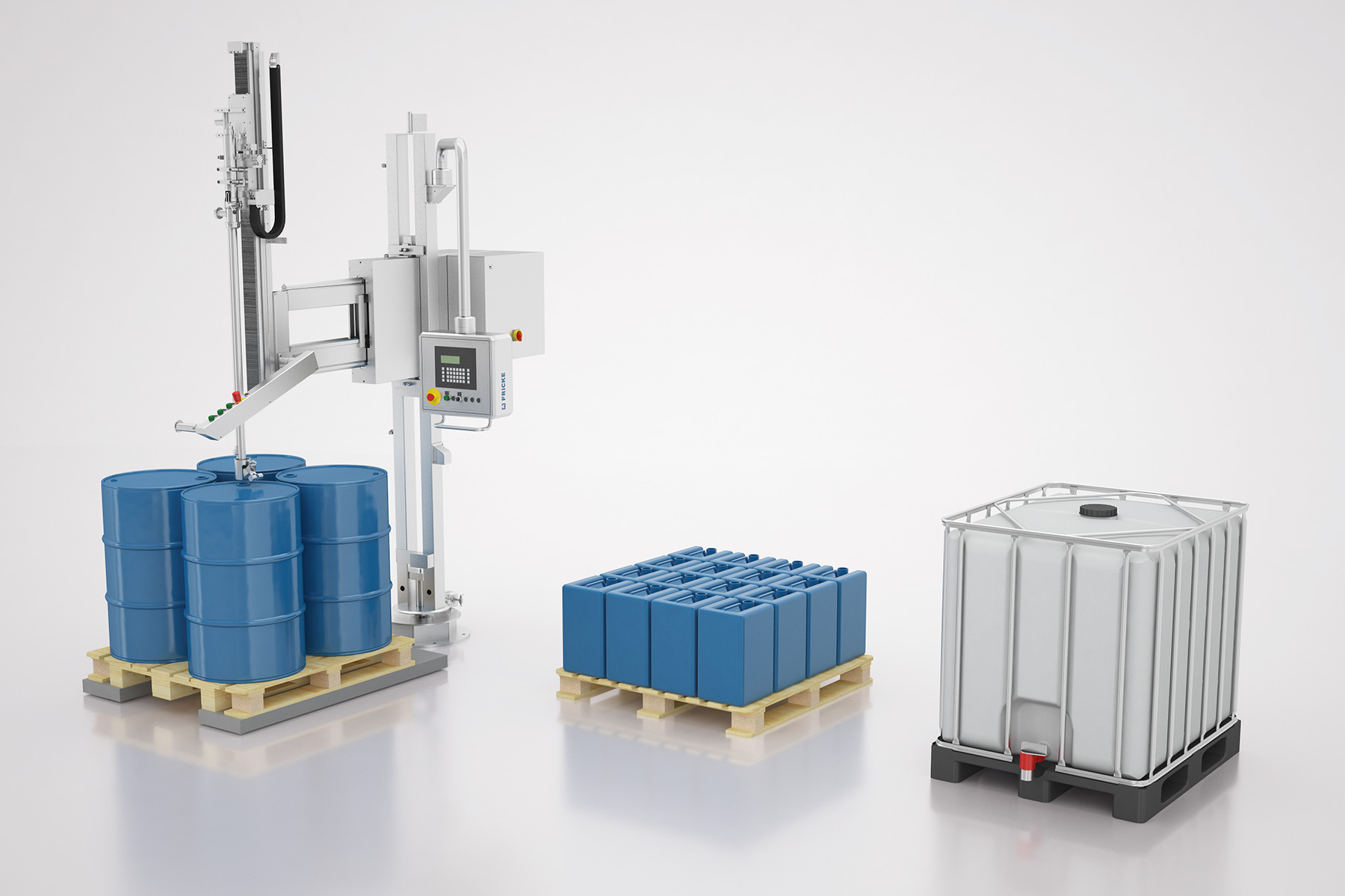
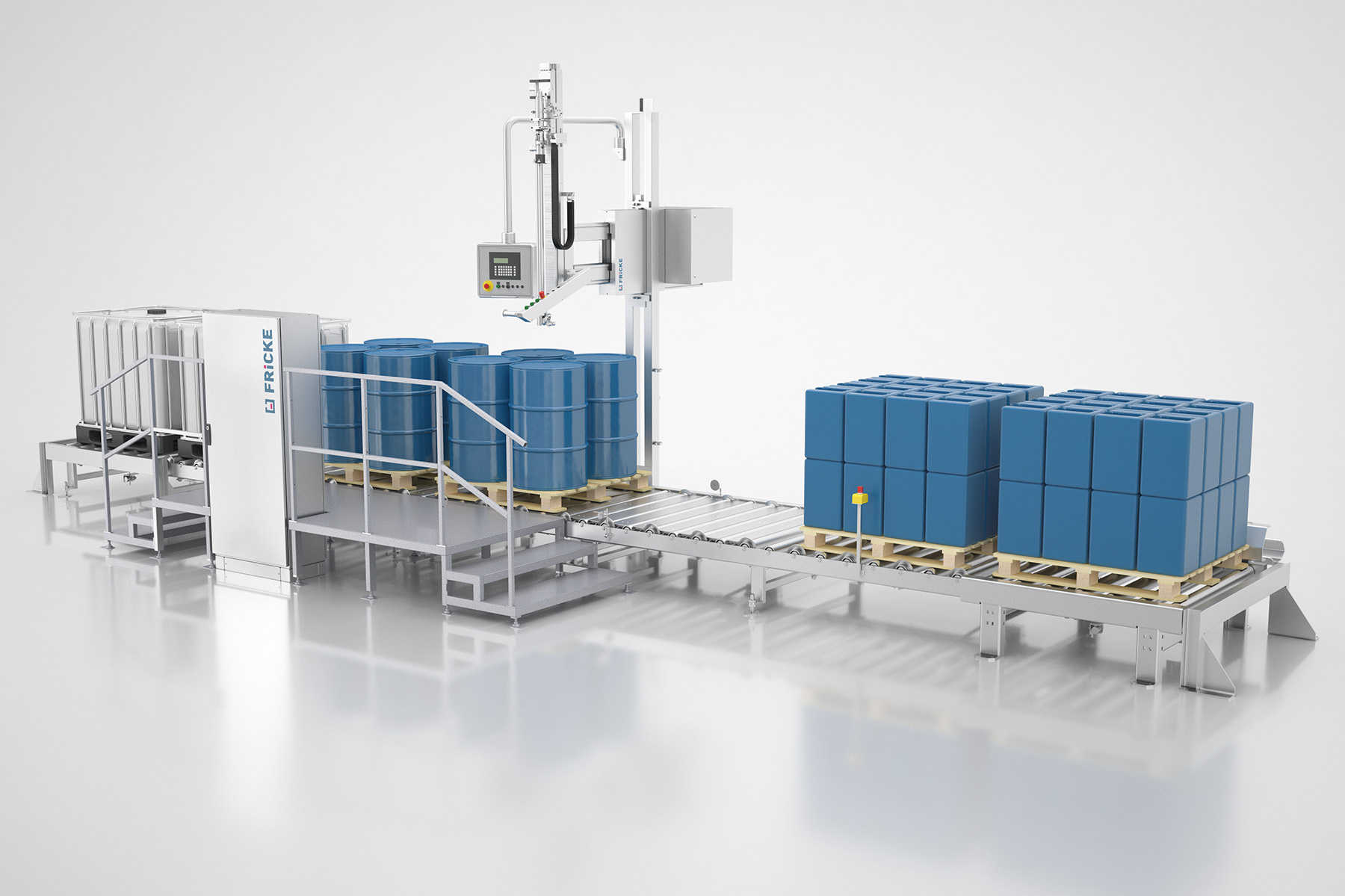
FRICKE filling systems can be used flexibly with a variety of containers.
FRICKE filling systems enable the safe and precise filling of a wide variety of containers, ranging from buckets, canisters, drums and hobbocks to IBCs. Filling can be carried out either for individual containers or in layers on pallets.
Depending on the weighing system used, weight ranges starting from as little as 100 g up to 3 t can be achieved - for example with a 15 kg bench scale. This allows liquids and viscous products to be filled reliably and accurately. Additional modules, such as for capping or labelling, can also be integrated with ease when required.
Product Overview
The right filling system at a glance - by container type, product, and filling technology
This overview shows which FRICKE filling system is best suited to your container type (can / pail, canister, drum, or IBC), your product, and the required filling method: above the level, below the level, or bunghole filling. Additionally available with explosion protection in acc. with ATEX Directive 2014/34/EU Zone 1 depending on the application. Additional liquid products and container types can also be accommodated.
| Containers | Product / Medium | Type of Filling | FRICKE Filling System |
|---|---|---|---|
| Cans, Buckets | paints, coatings, dispersions, adhesives | above-level | EFS 11, EFS 41, EFS 51, EFS 61, FFS 11 |
| Canisters | flavors, dispersions, oils, cleaning agents and solvents, chemical liquids, mineral oils, glazes, perfume, acids, alkalis | below-bunghole / below-level | EFS 21, EFS 31, EFS 51, FFS 21, FFS 31, AFS 20, AFS 22, AFS 25 |
| Drums | paints, coatings, dispersions, adhesives, bitumen | above-level | EFS 11, EFS 21, EFS 31, EFS 51, FFS 11 FFS 41 |
| flavors, dispersions, oils, cleaning agents and solvents, chemical liquids, mineral oils, glazes, perfume, acids, alkalis | below-bunghole / below-level | FFS 21, FFS 31, AFS 20, AFS 22, AFS 25 | |
| IBC | paints, coatings, dispersions, adhesives, bitumen | above-level | FFS 11, FFS 41 |
| flavors, dispersions, oils, cleaning agents and solvents, chemical liquids, mineral oils, glazes, perfume, acids, alkalis | below-bunghole / below-level | EFS 24, FFS 21, FFS 31, AFS 20, AFS 22 |

Frequently asked questions
Would you like to know which filling system is the right fit for your product, containers, and production process?
Here, we answer frequently asked questions about semi-automatic and fully automatic filling systems, suitable media, container types, filling processes, calibration capabilities, explosion protection, and possible upgrades.
The right filling system depends on the product properties, container type, and process requirements. Key factors include viscosity, foaming behavior, temperature, explosion protection requirements, and the suitable filling method.
The desired level of automation, required performance, and integration into existing production processes are also taken into account during system design. FRICKE offers semi-automatic and fully automatic filling systems – from compact single-station solutions to automated filling systems for high throughputs.
During system planning, aspects such as product safety, ease of operation, cleanability, explosion protection, and integration into existing production and documentation processes are also considered.
FRICKE filling systems are suitable for a wide range of liquid, highly viscous, and pasty media. These include paints, coatings, dispersions, adhesives, bitumen, cleaning agents and solvents, chemical liquids, mineral oils, glazes, flavors, as well as vegetable and technical oils.
Each system is designed individually based on product properties as well as the respective process and container requirements. Factors such as viscosity, foaming behavior, temperature, explosion protection requirements, and the suitable filling method are taken into account. This results in a coordinated combination of filling technology, filling method, and system concept for each application.
Depending on the configuration, FRICKE filling systems can fill cans, pails, hobbocks, canisters, drums, and IBCs in different sizes. Both individual container filling and filling directly on the pallet are possible.
Depending on the product, container, and process requirements, different filling methods such as above-level, over-level, below-level, or under-bunghole filling are used. FRICKE offers semi-automatic and fully automatic filling solutions for these applications – from compact single-station systems to automated filling lines.
The choice of the right filling method depends on the product, the container, and the process requirements. FRICKE offers different filling methods to fill liquids, highly viscous media, and pasty products safely, precisely, and in line with the process requirements.
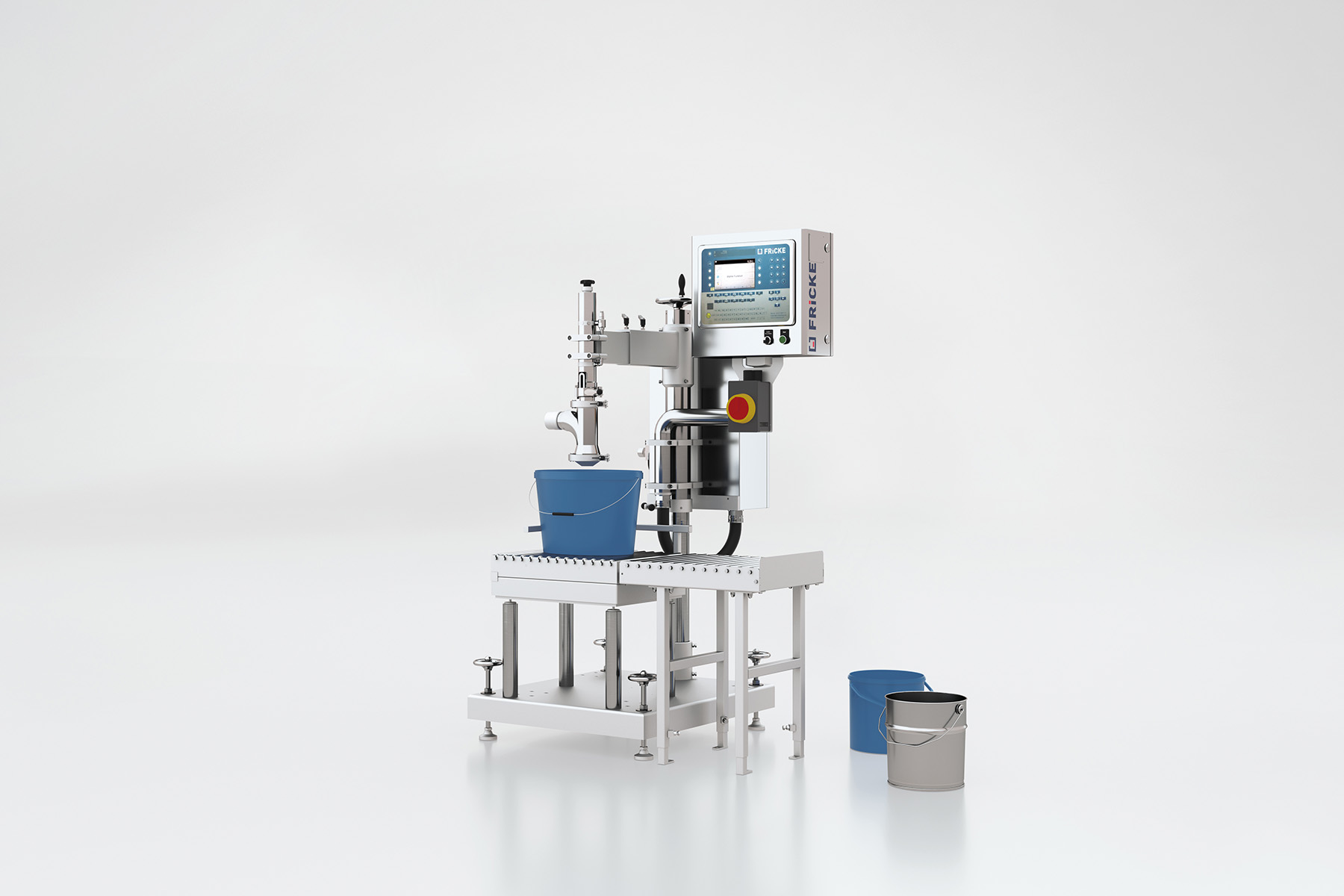
Above-level filling: With above-level filling, the product is filled from above into open containers such as pails or cans. This method is suitable, for example, for coatings, adhesives, or bitumen. Depending on the requirements, it can be designed with a closed valve or as a container-based version.
Below-level filling: Below-level filling is suitable for foaming, electrostatically chargeable, or gas-forming products, such as solvents and cleaning agents, chemical liquids, or glazes. Filling takes place in containers with bung openings, such as canisters, and reduces foam, emissions, and electrostatic charging.
Below-bunghole filling: Below-bunghole filling is used for products that are filled into containers with bung openings, for example flavors, dispersions, or oils in canisters. The valve is precisely guided into the bunghole for controlled and safe filling.
Multi-filling: Multi-filling offers maximum flexibility, as different filling methods are possible depending on the product, container, and desired process – for example below-level, above-level, or over-level filling. This allows a system to be flexibly designed for different products and container requirements.
Yes. FRICKE offers filling systems with explosion protection for use in potentially explosive atmospheres. The system design is based on the requirements of ATEX Directive 2014/34/EU and can be planned for hazardous areas such as Zone 1, depending on the application.
Factors such as product properties, the customer’s hazardous area classification, the system environment, and operational safety requirements are taken into account. Depending on the requirements, grounding monitoring, equipotential bonding, explosion-proof components, as well as extraction and safety systems can also be integrated.
Yes. FRICKE filling systems use weighing technology and can be designed for legal-for-trade filling processes. Depending on the application, the scales used can be designed as non-automatic weighing instruments in accordance with Directive 2014/31/EU or as automatic weighing instruments in accordance with Directive 2014/32/EU as part of a conformity assessment procedure under German measurement and calibration law.
Legal-for-trade filling systems enable high filling accuracy, reduce overfilling and underfilling, and support reproducible as well as legally compliant filling processes.
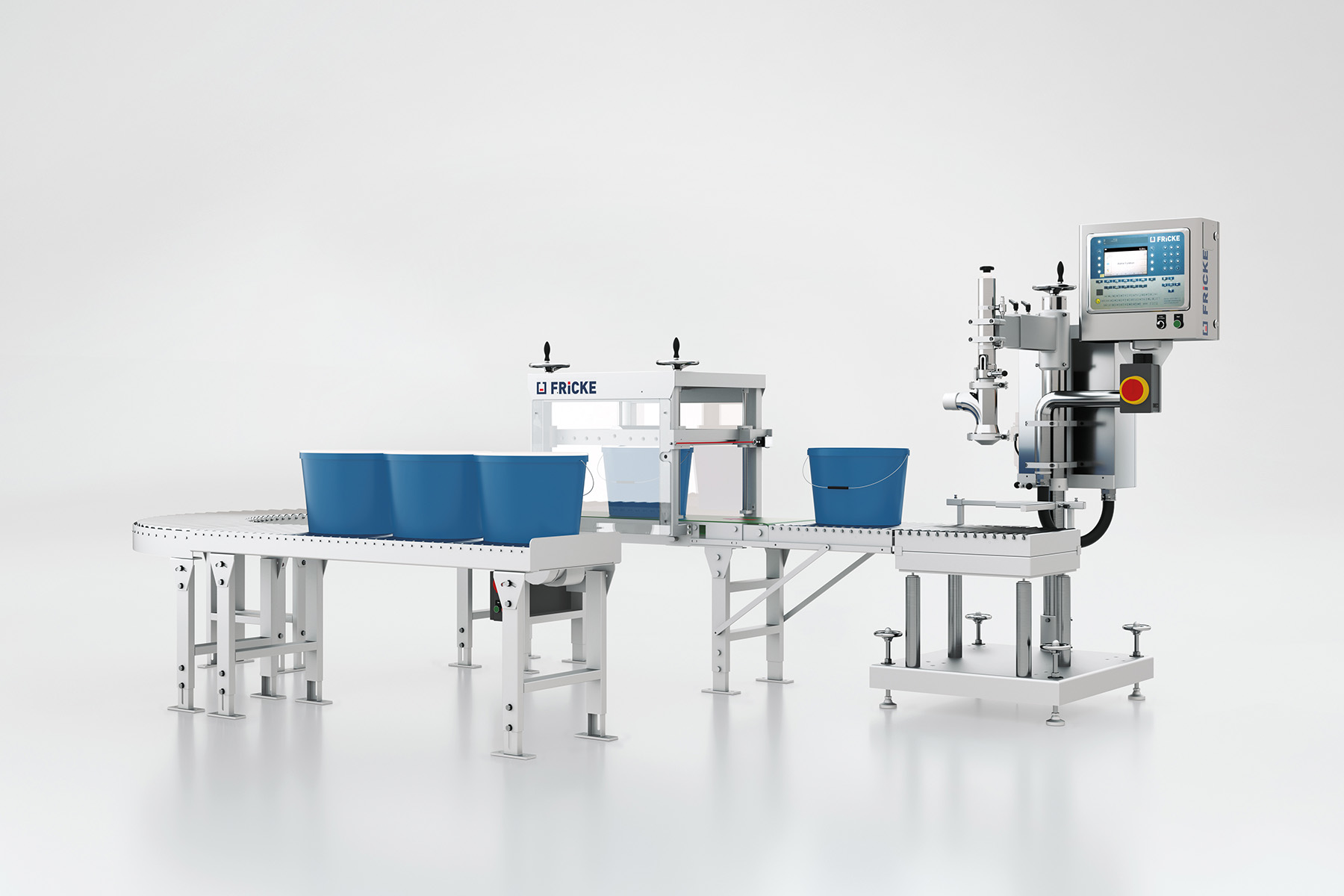
Yes. Depending on the requirements, FRICKE filling systems can be expanded with additional modules. These include, for example, systems for closing, coding, marking, and labeling, as well as conveyor technology for container infeed and onward transport.
Additional components such as container singulation, lid feeding, lid placing, container positioning, inspection and testing systems, or pallet handling can also be taken into account depending on the project. Integration into higher-level production and documentation processes is also possible.
This results in customized filling solutions – from compact filling stations to automated filling lines with a continuous material flow.
Semi-automatic filling systems support operators in precise and safe filling processes. Placing the containers, starting the filling process, or carrying out additional process steps is done fully or partially manually. They are particularly suitable for small to medium production volumes, frequently changing products, or different container types.
Fully automatic filling systems handle a large part of the filling process independently. Depending on the configuration, this includes, for example, container infeed and positioning, filling, closing, marking, and onward transport. They are particularly suitable for high throughputs, recurring filling tasks, reproducible processes, and greater operator relief.
In short: Semi-automatic filling systems support the operator, while fully automatic systems automate the filling process to a large extent.
Discover the FRICKE World
The interactive 3D product world of FRICKE
Experience our dosing and filling systems digitally with interactive 3D models and detailed insights into functions and applications.